
Skip to content
The Cell Danger Response

The Cell Danger Response (CDR): A New Framework for Chronic Illness

Have you complained to your doctor about chronic fatigue, insomnia, brain fog, or anxiety and not gotten a satisfactory answer? The problem may be his theory of “metabolic disorder” clouding his view.

What Is the Cell Danger Response?

The Cell Danger Response (CDR) Hypothesis represents a paradigm shift in chronic and metabolic health conditions, the care of which will radically shift us away from the pharmaceutical based hypothesis upon which today’s medical system is built. Simply put, it tells us that mitochondria responds intelligently to threats, whether from foods, drugs, injuries, surgeries, or emotional trauma delivered interpersonally or through electronic media. From this perspective, our mitochondria shift from vitalizing the body to withdrawing to protect themselves.

The primary symptoms of the cell danger response (CDR) include chronic fatigue, insomnia, brain fog, widespread pain, anxiety, mood swings, and autoimmune flares, manifesting in diseases like ME/CFS, autism, long COVID, fibromyalgia, and other chronic inflammatory or neurodevelopmental conditions. The mainstream medicine solution is to create new, expensive pharmaceuticals that force the mitochondria to return to their normal functioning. The solution from the CDR perspective is simply to make the mitochondria feel safe by removing attacking substances from the diet and from the body and providing physical and emotional safety for the cells and the whole person.
But how do we do this?
Cell Danger Response (CDR)

Cell Danger Response (CDR)

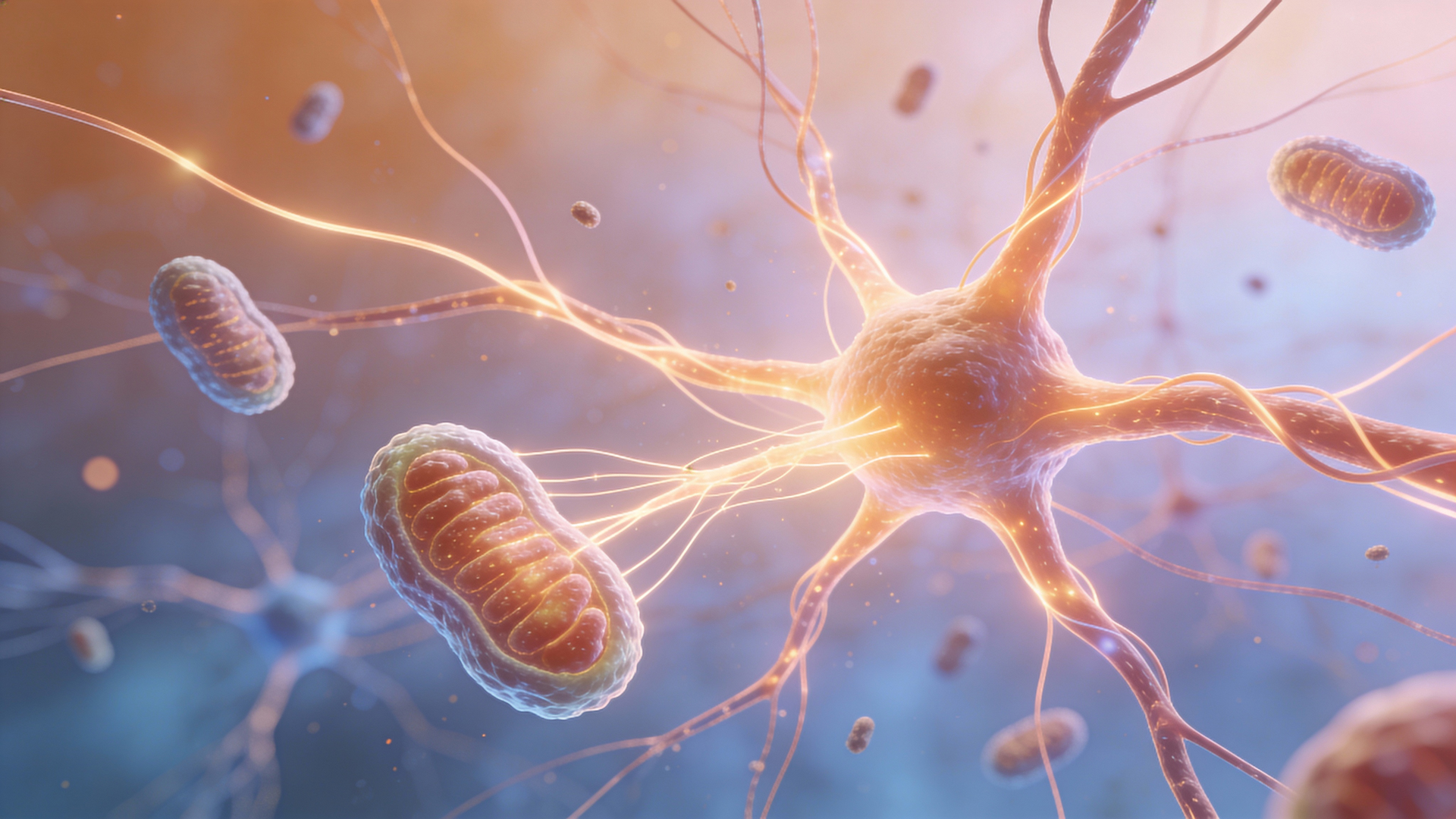
At its core, CDR proposes that mitochondria respond intelligently to perceived threats. These threats may come from foods, drugs, injuries, surgeries, environmental toxins, emotional trauma, or even constant electronic stimulation.

When danger is detected, mitochondria shift their role, from supporting vitality and repair to withdrawing into a protective state. This adaptive response is meant to be temporary, but when it persists, it may express itself as ongoing illness.

The CDR Hypothesis was proposed and is currently being fleshed out largely by Dr. Robert Naviaux in his research lab at UC San Diego. It is being adopted and supported by leading edge doctors around the world. Normally we would expect the pharmaceutical lobby to undermine and crush the CDR Hypothesis as competition, the way so many alternative methods have been attacked over the decades. Not only is the CDR Hypothesis intuitively obvious, but Dr Naviaux is searching for “antipurinergic” chemicals that can unwind CDR by blocking release of free radicals by fearful cells. This suggests that big pharma might retain a place in the future of medicine by joining him in this search.

MItochondria

Is the Cell Danger Response a Scientifically Respected Theory?

The Cell Danger Response (CDR) Hypothesis, proposed by Robert Naviaux, is an emerging framework in mitochondrial and metabolic medicine that has gained increasing attention within the scientific community.
A review of peer-reviewed literature indexed in major academic databases, including PubMed, ScienceDirect, Nature, and PLOS, does not reveal published papers that directly refute or formally challenge the core principles of the CDR Hypothesis.
Instead, the existing literature primarily consists of foundational and elaborative works authored by Naviaux and his collaborators, including:
  • Naviaux RK. (2014). Metabolic features of the cell danger response. Mitochondrion
    This review outlines the biochemical and signaling pathways involved in CDR and frames chronic illness as a state of persistent cellular defense rather than irreversible damage.
  • Naviaux RK et al. (2016). Metabolic features of chronic fatigue syndrome. Proceedings of the National Academy of Sciences (PNAS)
    This study links abnormal metabolic signatures in ME/CFS patients to prolonged activation of the Cell Danger Response.
Additional publications have explored related themes such as purinergic signaling, mitochondrial stress responses, innate immune activation, and metabolic reprogramming—areas that independently support the biological plausibility of CDR within modern systems biology.
While the Cell Danger Response framework is still relatively new, its consistency with contemporary research in mitochondrial function, immunometabolism, and cellular stress signaling may help explain why it has not yet generated substantive opposition in the peer-reviewed literature. As with many paradigm-shifting ideas in medicine, broader validation and critique are expected to emerge as research continues.
Can CHI Products Help Reduce the Cell Danger Response?
The CHI Palm and Sun

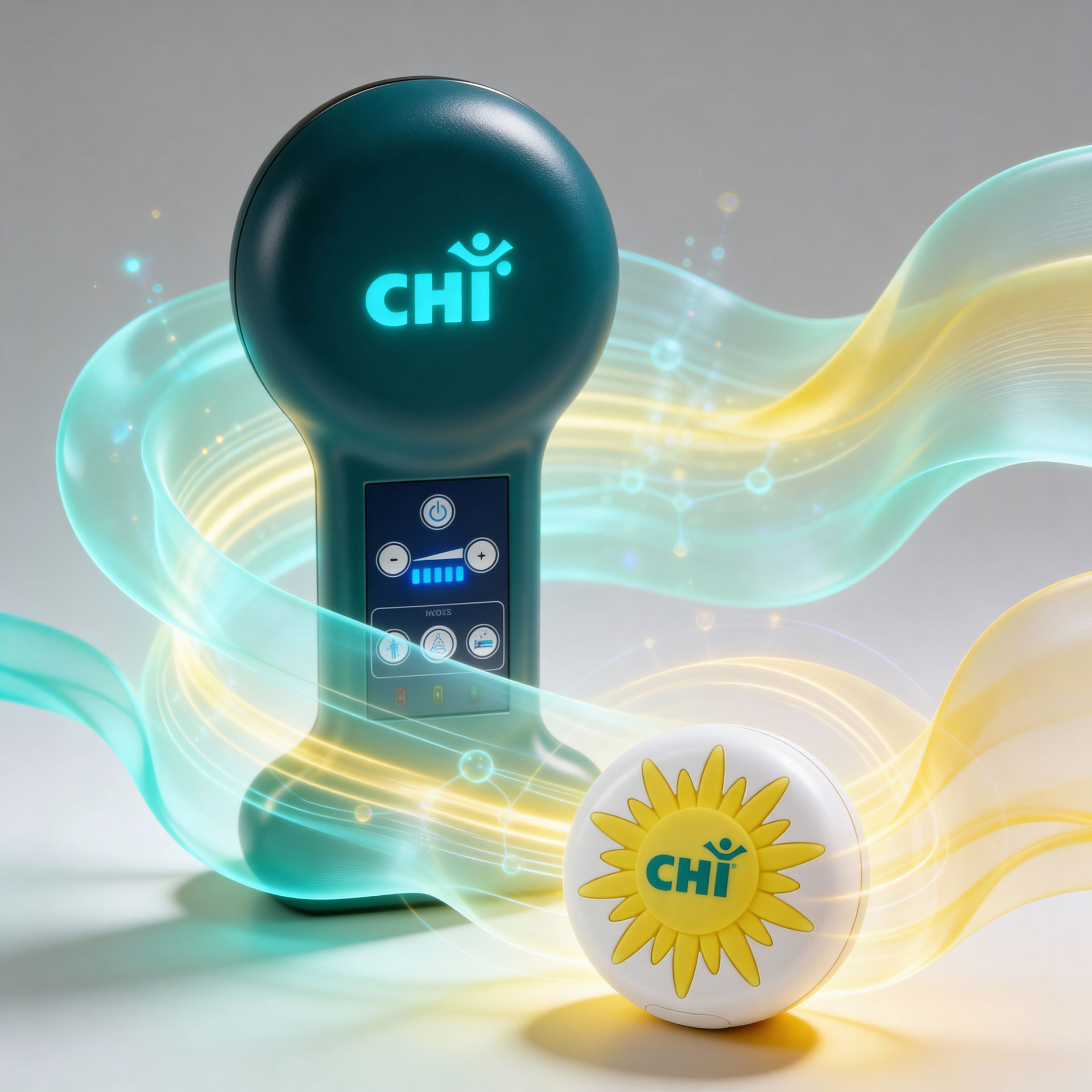
The CHI Sun attunes the DNA in every cell and in the mitochondria, promoting greater mitochondrial activity.

Based on user reports submitted to CHI, users mention sharper senses and easier problem-solving under stress, less fatigue and more daily drive, and the need to use it regularly to fight off toxins. Some users say sleep or motivation worsens if they skip the 15-minute daily sessions. Beyond this user experiences include quick relief for stomach issues, joint pain, or sinus problems, its use on animals for emotional recovery after trauma, and that the improvement to the CHI Sun 2.0 works faster for anxiety or stress. To boost healthy mitochondria, be sure to include minimizing chemical stressors like ultra-processed food and excess pharmaceuticals.

Excellent Pain Reliever

I have owned the Infrasound 8 [Latest Version is CHI Palm] for many years, about…

Read more

You Could Visually See The Inflamed Tight Areas Relax

I bought the Infrasound 8 [Latest Version is CHI Palm] many years ago for my fiancee…

Read more

The Wound Is Healing Fast

The patient has had a catheter in for a long time and was having chronic…

Read more

Relief from Severe Chronic Eye Pain

My 82-year-old neighbor had complained of severe chronic eye pain behind her left eye socket…

Read more
CHI Palm Infratonic 11

The CHI Palm brings PEACE to the nervous system into calm clarity…

This calm clarity communicates safety to the mitochondria throughout the body. Customer reviews of the CHI Palm, collected from hundreds of comments on the CHI Institute’s protocol center report results that indicate reduction in CDR including quick pain relief for things like arthritis, sciatica, or swelling after surgery—often in just 10-20 minutes of use—and better movement for stiff shoulders or knees, with many saying they need fewer pain pills, and that it helps healing without side effects. In addition, users report feeling less depressed, less anxious, or having more energy related to chronic fatigue. Users also mention help with stomach problems (like IBS and PMS from using it on the belly), better breathing (like for asthma or sinuses), and better sleep without meds. Reducing exposure to sensational and irritating social media can contribute to reductions in CDR as well.


Valentine’s CHI Palm Gift Bundle

References

  1. Naviaux, R. K. (2014). Metabolic features of the cell danger response. Mitochondrion, 16, 7–17. This foundational review introduces the Cell Danger Response (CDR) framework and describes how mitochondrial metabolism, redox signaling, and innate immunity shift during perceived cellular threat.
  2. Naviaux, R. K., et al. (2016). Metabolic features of chronic fatigue syndrome. Proceedings of the National Academy of Sciences, 113(37), E5472–E5480. This study identifies a hypometabolic state in ME/CFS patients consistent with prolonged activation of the Cell Danger Response.
  3. Naviaux, R. K. (2019). Antipurinergic therapy for chronic disorders. Journal of Translational Medicine, 17(1), 1–13. Explores purinergic signaling and its role in maintaining or resolving CDR, with implications for chronic disease and recovery.
  4. Burnstock, G. (2016). Purinergic signalling and the nervous system. Nature Reviews Neuroscience, 17, 45–62. Provides broader context for extracellular ATP signaling and its role in stress, inflammation, and neuroimmune communication relevant to CDR biology.
  5. Picard, M., et al. (2018). Mitochondrial psychobiology: Foundations and applications. Current Opinion in Behavioral Sciences, 28, 142–151. Discusses how mitochondrial function integrates physical, emotional, and environmental stressors—supporting core concepts underlying the CDR framework.
  6. Wallace, D. C. (2012). Mitochondria and cancer. Nature Reviews Cancer, 12, 685–698. Highlights mitochondria as dynamic regulators of cellular survival, stress response, and signaling rather than passive energy producers.
  7. Hotamisligil, G. S. (2017). Foundations of immunometabolism and implications for metabolic health and disease. Immunity, 47(3), 406–420. Supports the broader scientific shift toward viewing metabolism and immune signaling as integrated systems, consistent with CDR principles.
Protect Your Mitochondria

A systems engineer by training, he moved early in his career from efficient use of fossil fuel energy to efficient use of human energy. Human consciousness is severely crippled in most all of us compared to the full potentials of consciousness so Richard has made studying and optimizing human consciousness into a 30 year career choice.

Comments (0)

Leave a Reply

This site uses Akismet to reduce spam. Learn how your comment data is processed.

Back To Top
Hey there! Ask me anything about CHI Institute, our products, user protocols, how to submit a repair or details on our affiliate or trade-up programs.
Your Cart

Your cart is empty.