
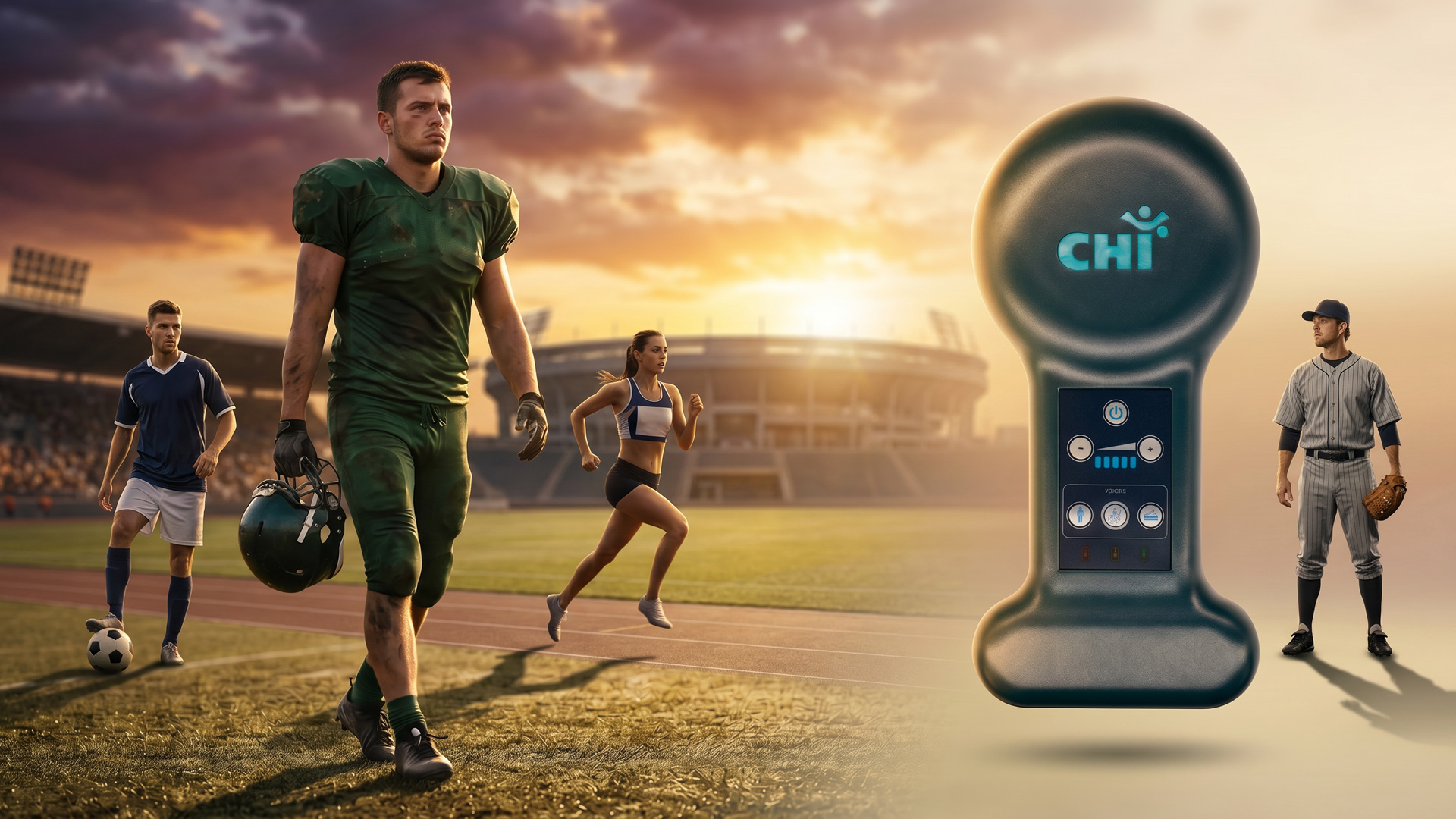
Accelerated Recovery for Sports Injuries
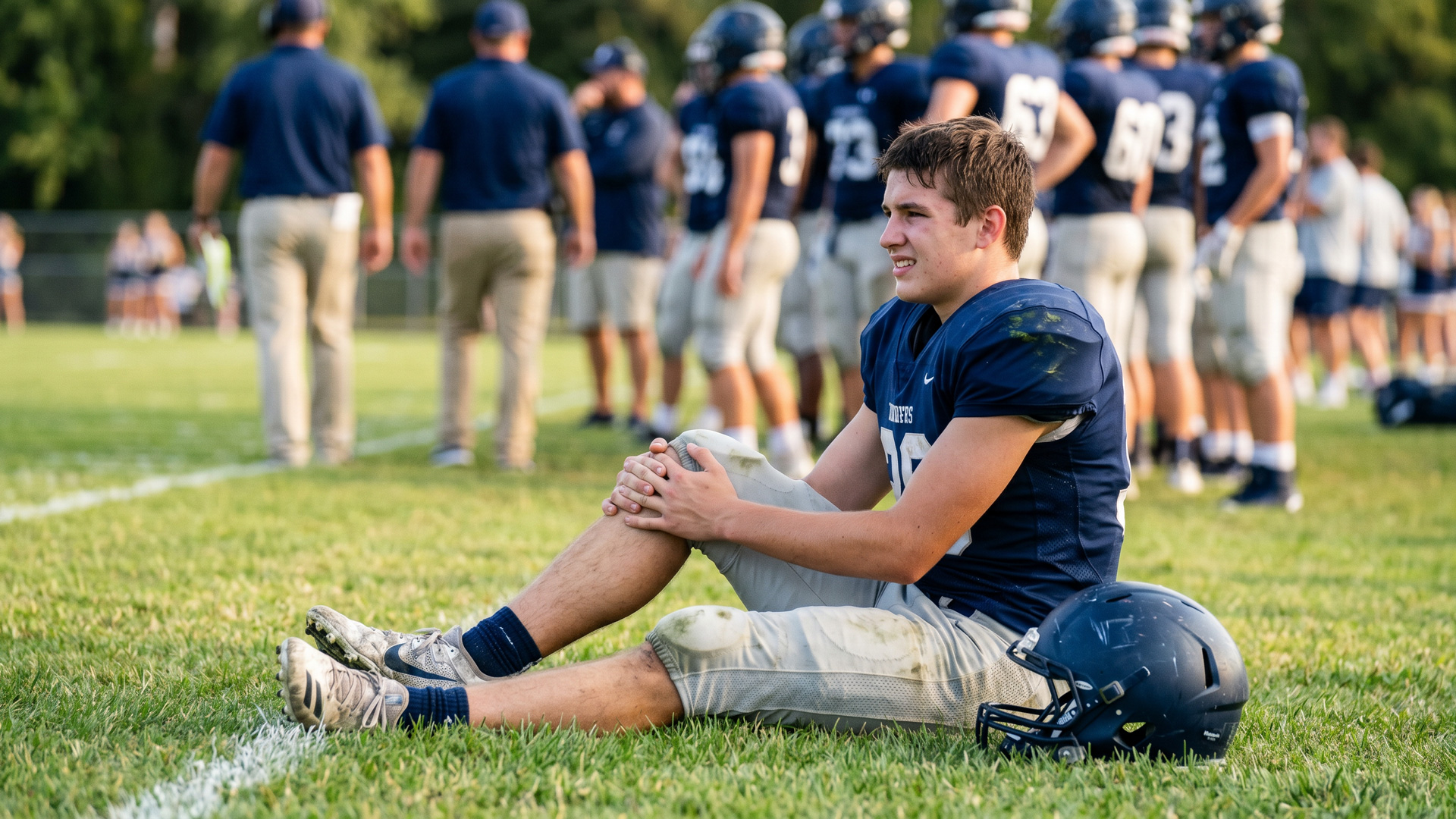
Two years ago, a leading player on our local football team suffered a severe contusion to the quadriceps. The player’s thigh pad had slid up on his leg, and he sustained a direct blow from a helmet to the muscle. The leg swelled severely, and the patient was unable to walk, as he could no longer lift the weight of his leg. The patient was examined at the emergency room, treated, and released.
For two weeks, the patient was on crutches and still could not lift his leg. We began care to try to rehabilitate the leg. We used ultrasound, electrical muscle stimulation, diathermy, whirlpool, and stretching with rehabilitative exercises. All showed improvement, but the rate was very slow, and the atrophy was significant. Although the patient regained the use of his leg, he was never able to return to play for the entire season of his senior year of football.
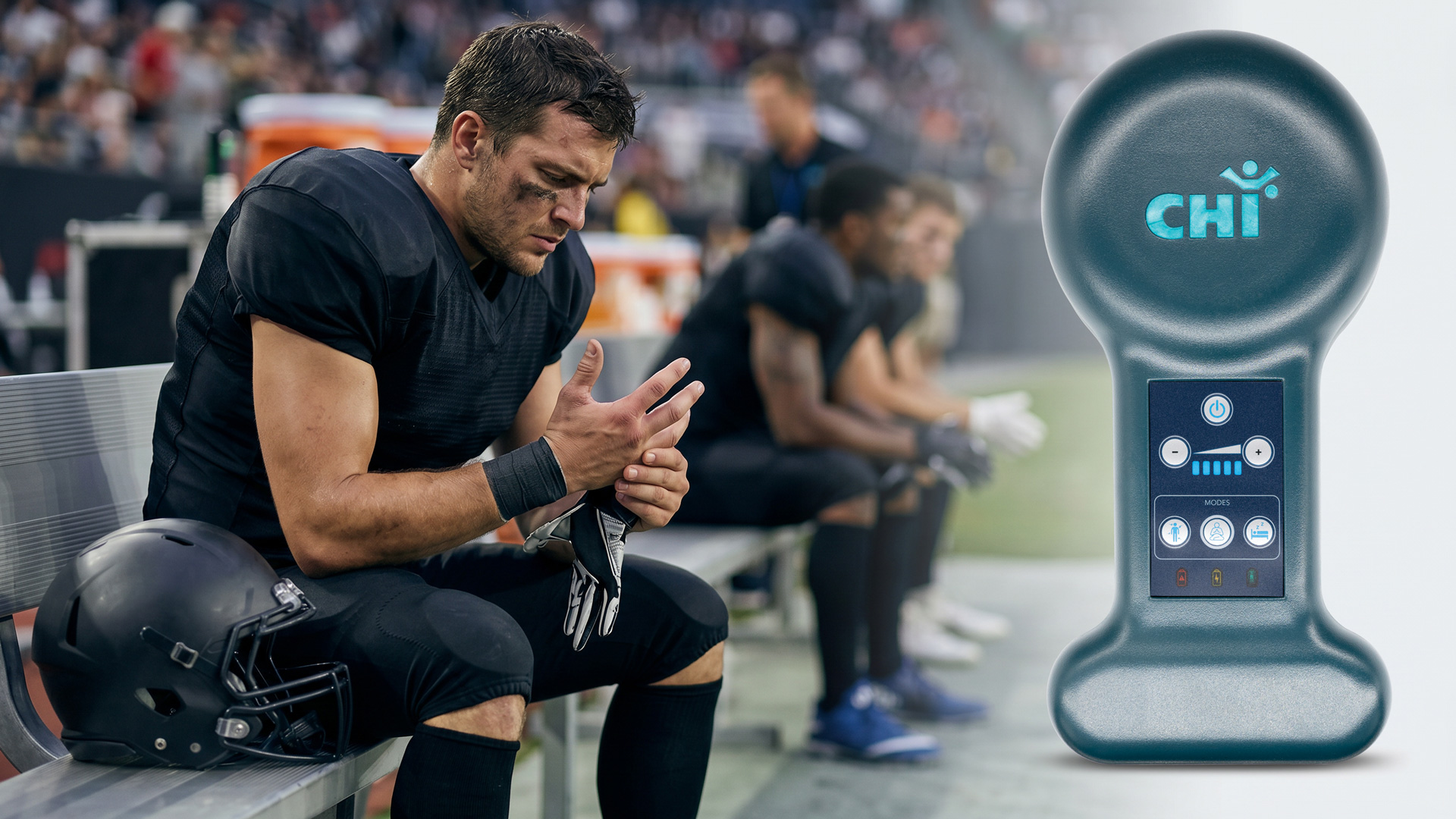
This year, I had been reviewing the literature that I had received on the Infratonic therapy equipment when we had another football player sustain a similar injury. I knew that if we did not try something new, he would not return for the season. I immediately ordered the Infratonic machine and had it sent express mail. We began sessions as soon as it arrived. To our great satisfaction, the patient began to show significant and rapid improvement. He only missed one game after the injury and returned to full play 10 days after starting the Infratonic treatments. We padded the area for extra protection, but he suffered no loss of muscle mass and had an outstanding season.
Dr. Everett and I have both worked at hospitals as physical therapy technicians prior to graduating from Chiropractic school. Therefore, we have a strong background in rehabilitative therapies and treatments. We first tried the Infratonic treatments in our sports injuries, as they were acute in nature and usually involved sprain-strain complexes, cartilage injuries, muscle spasms, and fractures. We felt that this would be our first “testing ground” for the equipment, so as to compare its progress with our established form of care.

Comments (0)